
Friday, August 16, 2019
A Mobile Service was held at Amban Ganga Divisional Secretariat Matala
A Mobile Service was held at Amban Ganga Divisional Secretariat Matala. HDO participated in the program and provided awareness on Human Rights, Health, Land issues, Women and Child Rights. The Article regarding the program was published in 'Thinakkural' Newspaper on 6th July,2019.

Thursday, August 15, 2019


Saturday, April 20, 2019
PEOPLE’S DECLARATION BOARD
PEOPLE’S
DECLARATION BOARD
People living
on the hill country plantations face various difficulties in accessing the state
or public services. Since the social periods the management of the plantation
have been outside the purview of the general state administrative units. Even now
the vestiges of such scenario continue to remain. The right to reach the general
services remains questionable as far as these people are concerned. Although various
practical reasons are citied, administrative and language facilities and state
policies are beyond reach of these people due to lack of will on the part of
the government.
 HDO, with
these problems in view, initiated a project to facilitate the people to
approach the public services, intended to prepare a banner or board detailing
the services available to the people from departmental or divisional secretariat
offices and exhibit them in the Grama Seva Niladhari office or the plantation
office. The action was collaborated with CCFD of France. Action has been taken
to provide such banner/ boards to 150 DS offices in the Nuwara Eliya district.
HDO, with
these problems in view, initiated a project to facilitate the people to
approach the public services, intended to prepare a banner or board detailing
the services available to the people from departmental or divisional secretariat
offices and exhibit them in the Grama Seva Niladhari office or the plantation
office. The action was collaborated with CCFD of France. Action has been taken
to provide such banner/ boards to 150 DS offices in the Nuwara Eliya district.
The
Ambagamuwa Divisional Secretary, addressing the opening event of the project
stated, we trust that the plantation people who have been sidelined, will
benefit from this HDO initiated project. All people have the right to avail
themselves of the Divisional Secretariat Services: and, so the plantation people
too can reach us. We trust that these banners/ boards will guide them to us.


PALM OIL TREE CULTIVATION
PALM OIL TREE
CULTIVATION
 Palm cultivation has become a serious
challenge to the existence of tea and rubber Plantations, in the central part
of Sri Lanka since 2017s. The Sri Lankan Plantation sector which had been
coffee, tea, rubber and coconut changes over to Palm Plantation. It was in the
context of destruction of rubber cultivation in the Kegalle district
plantations since of late in order to cultivate Palm trees that opposition
mounted is not only from the Plantation people, but even from their rural
counterparts.
Palm cultivation has become a serious
challenge to the existence of tea and rubber Plantations, in the central part
of Sri Lanka since 2017s. The Sri Lankan Plantation sector which had been
coffee, tea, rubber and coconut changes over to Palm Plantation. It was in the
context of destruction of rubber cultivation in the Kegalle district
plantations since of late in order to cultivate Palm trees that opposition
mounted is not only from the Plantation people, but even from their rural
counterparts.
PALM OIL
IN PLANTATIONS - Introduction
 The Palm oil tree is originates from West
Africa where it grows in the wild and later developed into an agricultural
crop. Today 4.49 million hectares of land in Malaysia is under Palm Oil
cultivation. Palm oil is cooking oil. It is in maximum use worldwide as an ingredient in food production. The oil extracted from
Palm is used for cooking purposes in many countries and has become a 55%
component of vegetable oil. It is also used in producing butter, food items,
instant food, chocolate, ice cream and snacks, and in addition, it is being
used in producing soaps and cosmetic items, etc. Extensively cultivated in the
Asian and African Countries, Palm has become a major income generating crop in
Indonesia and Malaysia, providing direct and indirect employment opportunities
to hundreds of thousands of people. In 2013 major portions of foreign exchange
of Indonesia and Malaysia came from the 50% export of palm oil. Palm oil
occupies a major share as cooking oil and in cosmetic items in many Asian and
European countries.
The Palm oil tree is originates from West
Africa where it grows in the wild and later developed into an agricultural
crop. Today 4.49 million hectares of land in Malaysia is under Palm Oil
cultivation. Palm oil is cooking oil. It is in maximum use worldwide as an ingredient in food production. The oil extracted from
Palm is used for cooking purposes in many countries and has become a 55%
component of vegetable oil. It is also used in producing butter, food items,
instant food, chocolate, ice cream and snacks, and in addition, it is being
used in producing soaps and cosmetic items, etc. Extensively cultivated in the
Asian and African Countries, Palm has become a major income generating crop in
Indonesia and Malaysia, providing direct and indirect employment opportunities
to hundreds of thousands of people. In 2013 major portions of foreign exchange
of Indonesia and Malaysia came from the 50% export of palm oil. Palm oil
occupies a major share as cooking oil and in cosmetic items in many Asian and
European countries.
Hence many Asian Countries encourage
palm cultivation. The cultivation needs more land and labour and in their
background, private companies encouraging palm production has led to serious
environmental, social and economic consequences. Moreover, the labour rights of
workers face serious erosion. In the African and Asian Countries, the jungles
cleared as at the 2008s, to cultivate palm, are estimated to be 5.5 million
hectares.
- · The indigenous people lost their habitat and livelihood.
- · Flora and fauna were destroyed.
- · Resultant climatic change brought harmful consequences.
- · Land problems arose.
- · People of Indonesia and Africa faced problems of land grabs.
- · It is also noted that the human rights of workers employed in the oil factories are in serious jeopardy.
- · Hardest labour but lesser pay
- · Use of unsafe pesticides
- · Maximized migrant workers.
- · Job brokers exploiting workers.
- · Low housing facilities.


Workers are engaged in,
- · Deforestation
- · Primary cultivation
- · Harvest
- · Producing oil in factories
- · Preparing for marketing

Harvesting applying weedicide and pesticide
are marked as risky occupations. Bunches of nuts – weighing about 10 to 25 kgs
– from each tree have to be brought down using long knives. At the same time chemical
pesticides have to be sprayed.
Chemical weedicide and pesticide, are said to be
causing various diseases to the workers handling them.
Since a majority of workers engaged in
the Industry, are migrants, they are subjected to various forms of
exploitation. Loss of their political, social, economic and cultural rights.
Many rubber producing countries changed
over to palm cultivation. These resulted in the increase of men labour. They
were occupied in harvesting. Women workers who were recognized as efficient
tappers in rubber Plantations, lost employment opportunities and pushed out as
non-abled.
Women are engaged in land and palm tree maintenance,
and collection of plucked nuts from the ground.
The increase of palm estates is said to
dry the underground water and cause drinking water problem.
However, it has become a major
plantation crop. In many countries it has become, a major profit earner with
demands increasing nationally as internationally.
 At the same time, as the western consumers are aware
of and active and the consumers are the
human rights, respected to the rights of workers and small producers, they rise
to occasions, when such rights are violated. In this background, the producers,
and human rights organizations have founded a structure namely, Round Table Discussion
based on the principle of recognition of labour cultural and human rights of
workers and small producers. Therefore, the countries and others involved in the trade should ensure
that the policy planning and governing the project the human, cultural and
other rights and round welfare of the workers and environment.
At the same time, as the western consumers are aware
of and active and the consumers are the
human rights, respected to the rights of workers and small producers, they rise
to occasions, when such rights are violated. In this background, the producers,
and human rights organizations have founded a structure namely, Round Table Discussion
based on the principle of recognition of labour cultural and human rights of
workers and small producers. Therefore, the countries and others involved in the trade should ensure
that the policy planning and governing the project the human, cultural and
other rights and round welfare of the workers and environment.
Palm cultivation in Sri Lanka
The Palm oil tree cultivation is introduced
to Sri Lanka in late nineteen sixties, and has been spread over the southern
part of the Island, mainly in Galle district. In the beginning the people had
not had any information about the industry. They appeared to have been totally
unaware of the crop, cultivation, production and the procedure. Nor did they
have a clear idea of its positive or negative impact, it did not encounter any
resistance. Neither the trade unions nor civil organizations came out against
it firmly. Taking advantage of this many Plantation companies encouraged this
projects in the Southern Province. This has led to the expansion of the
cultivation to nearly 9000 hectares(www.firstcapital.lk/tag/palm-oil-cutivation-Sri
Lanka) by 6 Plantation companies. In 2015, Sri Lanka produced 18,000 MT of Palm
oil. (www.dailymirror.lk/article/sustainable oil palm).
However it is of late than the
Plantation workers and the near by villagers have come to realize the adverse
consequences of this cultivation.
In this background the Plantation
workers of the Kegalle District brought the action of the Plantation companies
to cultivate Palm trees to the attention of the Government Authorities, WSU and
HDO. They also asked the question: “why should the companies give importance to
growing Palm trees, after destroying rubber trees which had already been
there?”.
WSU
consulted with their members and labour leaders. HDO contacted with the
relevant Organizations and activists in Malaysia where the palm oil is produced
in a larger amount and obtained information about Palm oil tree cultivation.
According to the sources it was known that this cultivation bears negative
impacts than the positive impacts on the environment and the workers. The HDO
studied more about the impacts of the Palm oil tree cultivation such as the ecological
impact, the labour rights of workers face serious issues, land problems, It is
also noted that the human rights of workers employed in the oil factories are
in serious jeopardy, hardest labour but lesser pay use of unsafe pesticides.
This gave a background to HDO
supported WSU’s campaign on issues related to Palm cultivation. It is following
this campaign that the workers of the Plantations which made arrangements to
cultivate Palm trees and the villagers lodged strong protests against the
project. The protest even extended to where the people working in the Estates
stopped saplings being planted – put up road blocks and take to work stoppage.
They have even explained the after
effects of the cultivation, at meetings organized by the Companies. It is
noteworthy that religious dignitaries are in the forefronts of the people’s
campaigns.
A Malaysian team visited twice to the
relevant areas together with HDO and gathered information.
Moreover the HDO together with WSU
conducted Awareness raising campaign in number of Estates in Kegalle district,
training programs in both Estate and village level and formed an Action Committee
in order to create awareness and action. It also printed around 5000 leaflets
in Sinhala and Tamil and distributed among the target people. HDO has first
time published a major article on Palm oil cultivation in a newspaper which was
widely read by Sri Lankan and Plantation community.
Worldwide the ordinary people resist
the profit oriented economic model which is hosted to human rights, human
welfare and environmental safely. In this background we believe the protest of
the Plantation workers hand in hand with the rural people against the Palm
cultivation, will provide a new chapter in their struggle to win the women’s
workers, and people’s rights and change the managerial relations and protect
the environment.
HDO joining hands and participating
in the struggle with the Labour movements and the WSU in action of historical
importance.
However, suitable Palm oil practices
have been discussed seriously among companies and environmental Human rights
groups, in this context, an ethically, socially and environmentally sustainable
Palm oil practices to be established.
Friday, January 4, 2019


Tuesday, January 1, 2019

Wednesday, October 19, 2016
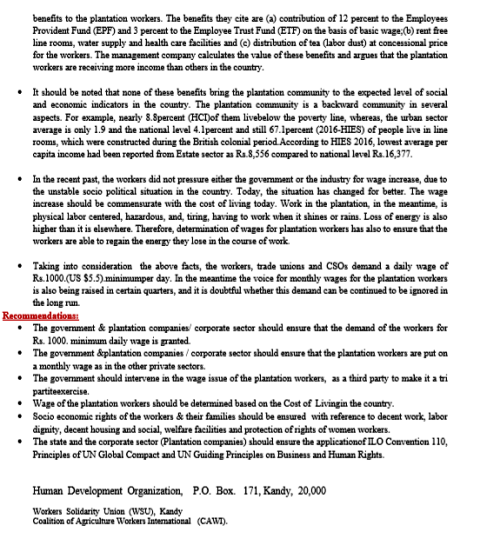
The United Nations Special Rapporteur on minority issues, Rita Izsák-Ndiaye, arrived in Sri Lanka on 10th October, to assess the current situation of national or ethnic, religious and linguistic minorities in the country. She also visited Human Development Organization and the Plantations in Kandy areas to assess the real living and working situation of the plantation people in Sri Lanka.


Monday, October 17, 2016
Human Development Organiztion: AMinority Rights Commission to be established…..H...
Human Development Organiztion: AMinority Rights Commission to be established…..
H...: A Minority Rights Commission to be established ….. Human Development Organization (HDO) demands…. The United Nations Special Ra...
H...: A Minority Rights Commission to be established ….. Human Development Organization (HDO) demands…. The United Nations Special Ra...
A
Minority Rights Commission to be established…..
Human Development Organization
(HDO) demands….
 The United Nations Special
Rapporteur on minority issues, Rita Izsák-Ndiaye, arrived in Sri Lanka on 10th
October, to assess the current situation of national or ethnic, religious and
linguistic minorities in the country. She also visited Human Development
Organization and the Plantations in Kandy areas to assess the real living and
working situation of the plantation people in Sri Lanka. Commencing her visit, Ms. Izsák-Ndiaye had a
constructive dialogue with Upcountry CSOs, academics, health professionals,
lawyers and workers. The dialogue was organized and chaired by Mr. P.P.
Sivapragasam, President of Human Development Organization in Kandy.
The United Nations Special
Rapporteur on minority issues, Rita Izsák-Ndiaye, arrived in Sri Lanka on 10th
October, to assess the current situation of national or ethnic, religious and
linguistic minorities in the country. She also visited Human Development
Organization and the Plantations in Kandy areas to assess the real living and
working situation of the plantation people in Sri Lanka. Commencing her visit, Ms. Izsák-Ndiaye had a
constructive dialogue with Upcountry CSOs, academics, health professionals,
lawyers and workers. The dialogue was organized and chaired by Mr. P.P.
Sivapragasam, President of Human Development Organization in Kandy.
During
her mission to Kandy, she visited Estates in Deltota areas of Kandy district
and met with minority communities,
estate workers and women to hear directly from them about their issues and
concerns.
Following
issues were discussed.
Poverty: They
are the most poverty stricken people in the country. Ironically, a Household
Income & Expenditure Survey Statistics in 2012/13 (HHI&ES) stated that
the poverty level among these people has shown 10.9%, (HCI) while compared to
year 2006/07 which was 32 percent, the credulity of which was open to question
and criticism.

Land & Housing: Land
and Housing rights of the hill country plantation people is another
controversial issue. 67.8% (HHI&E
Survey 2012/2013) of them still live in line rooms which were built during the
colonial era. At the same time even
these lines and the land space on which the lines stand are not given to their
ownership. The government of good governance implementing housing projects for
the plantation workers is laudable. However the process needs to be accelerated
and expanded. The other problem affecting these people is their language right.
The failure to appoint adequate Tamil officers in the government institutions
in the areas of their predominance has made their condition pathetic.
Access to public services:
there are over 200,000 people to be covered by the each Ambagamuwa and Nuwara
Eliya Divisional Secretariats in the Nuwara Eliya District. This has become
stumbling block to the Tamil people of these areas to accessing state services.
Article 33 of the Pradeshiya Sabha Act of Sri Lanka prevents these people from
being benefited from the local authority services. This emphasizes the need for
an amendment to the Act.

Education & Health: The
right of the plantation people to education and health services are relatively
backward. Although the present government has made an allocation in the budget
at national level, as far as the hill country areas are concerned, there are a
few 1 AB schools to teach science and equipped with residential facilities. For
example 60% of the population in the Nuwara Eliya District are Tamil. But while
there are only 7 1AB School for them, there are 19 Sinhala medium schools
(2013). This disparity is notable. The
plantation medical health service should be upgraded to conform to National and
International standards. Notably the children’s and women’s reproductive health
aspect is backward. At present a vast
majority of the plantation medical institutions are manned by Estate Medical
Assistants, who sometimes perform as doctors. This has become a challenge to
the national stream.
Right to Livelihood: The
right of the hill country plantation people to livelihood is a fundamental
right. Their daily wage is determined on the basis of collective agreement.
That too has not been renewed for the last 2 years resulting in the freeze of
their wage. Negotiation between the trade unions and the employer’s federation
has failed. It’s very much in question whether the parties follow the corporate
Social Responsibility or the Code of UN Global Compact. Plantation workers are
the lowest paid as far as this country is concerned-receiving the lowest daily
wage compared to their counterparts in the other sectors and even the
non-formal sector workers. This has pushed them into eternal poverty.

There
are various obstacles and discrimination on these people’s way to access to
development services. It’s tied to
social, economic and political rights. But as many plantations are company
managed or state agency (JEDB/SLPC)
managed, there are short comings and setbacks. to the national development
project’s and development benefits-reaching or the plantation people reaching
such benefits.
Constitutional Reform : In-order to ensure credibility in the political culture of Sri Lanka and to maintain a check and balance in the democratic good governance, we suggest that the senate system be re-introduced with an equal minority and professional representation. Any bill introduced to parliament be transmitted to the senate for its approval.
 Political
Representation: Pressure
and demand for the change of the present proportional representation system has
gathered momentum, since it is corruption ridden and a source of violence. At
the same time, the proportional representation system appears to be favorable
to demographic minorities and particularly the up country Tamils and Muslims.
Therefore civil organization opin that the parliamentary and political system
under the new constitution be an electoral representation system and the
proportional representation system combine. We believe this will enable not
only the up country Tamil people who live scattered but even the Sinhala and
Muslim people who live scattered in the Northern Province and rest of the
country to have their political rights ensured
Political
Representation: Pressure
and demand for the change of the present proportional representation system has
gathered momentum, since it is corruption ridden and a source of violence. At
the same time, the proportional representation system appears to be favorable
to demographic minorities and particularly the up country Tamils and Muslims.
Therefore civil organization opin that the parliamentary and political system
under the new constitution be an electoral representation system and the
proportional representation system combine. We believe this will enable not
only the up country Tamil people who live scattered but even the Sinhala and
Muslim people who live scattered in the Northern Province and rest of the
country to have their political rights ensured
Commission on Minority Rights:
A Commission to be established on minority rights. (Like in India..) Structural
change of the plantation sector is the much talked about subject of late.
Should the workers be identified as free labour, it could be achieved only if
their fundamental rights are guaranteed constitutionally.
Wednesday, September 28, 2016
Sri Lanka : National Human
Rights Action Plan
Role of Public in drafting
to safeguard and enhance human rights …
The
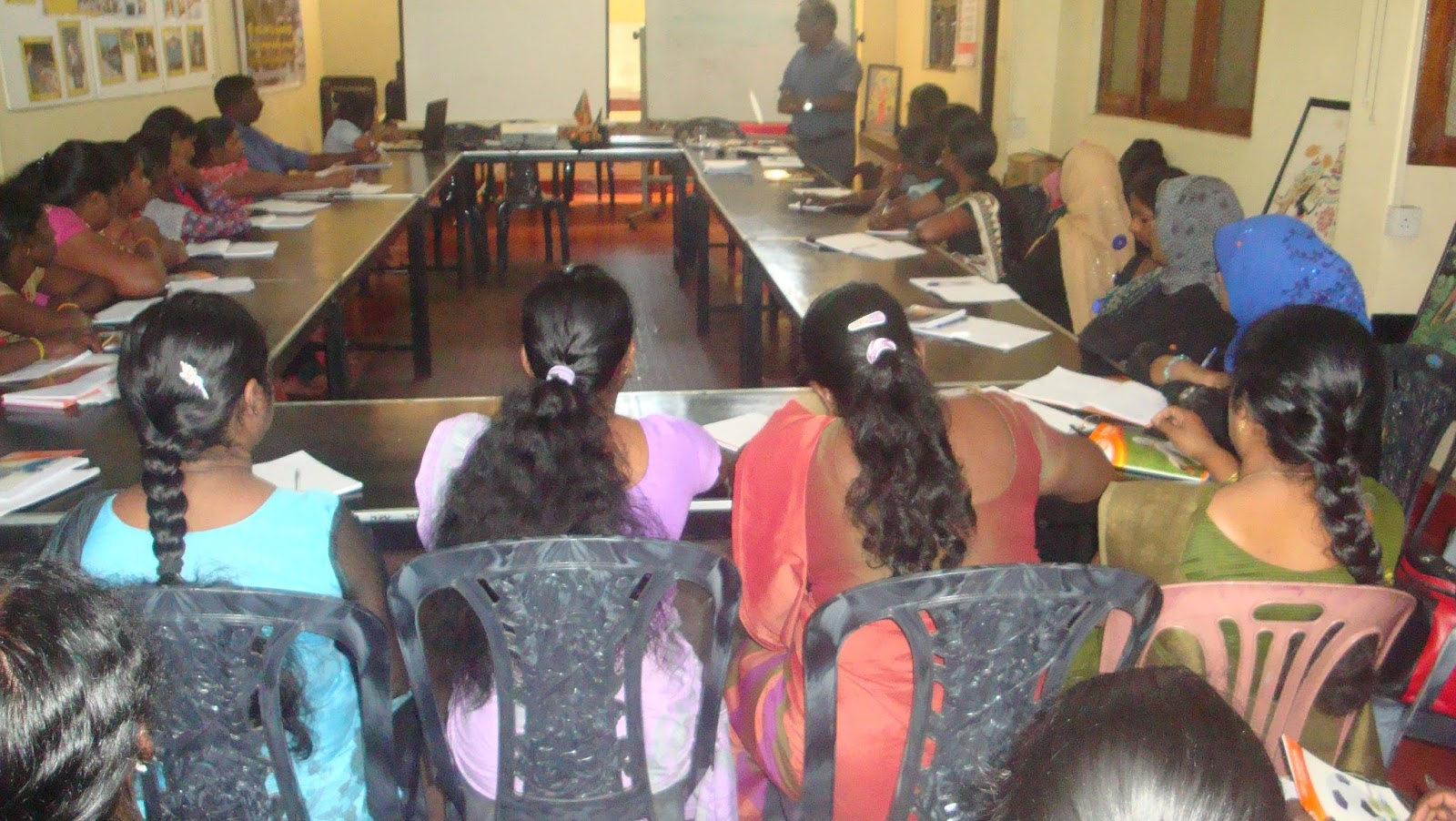
government of good governance has paid attention to various subjects such as
reconciliation constitutional reform and sustainable development. In this respects Sri Lanka is drafting its
National Action Plan to fulfill its duty and responsibility towards safe
guarding and enhancing the human rights in Sri Lanka during next 5 year tenure 2017-2021.
In
pursuance of this objective namely to draftee the national plan a Ministry
level team was appointed on 10th may 2016 through the Cabinet Order
paper number 116/0836/710/016 included in the team are the Ministry of Foreign
Affairs and the Ministry of justice apart from some other ministries.
A
guiding and drafting group comprising representative of Ministers and the
government, CSOs representatives to oversee the working of the National Action
Plan. It is important for the people too to extend their share though this
action plan in order to ensure the production and enhancement of the human
rights, started Mr. P.P. Sivapragasam, President of Human Development
Organization (HDO) who has been nominated to serve a number of the Steering
Committee. He farther stated that the
team calls upon the public to submit their observations and views on the subjects
that have to be considered in relation to the human rights enhancement. He also
started that it’s important for the people to draw their attention to the
following matters which have to be included in the National Action Plan. He emphasized the need for the contribution
from the minority communities in Sri Lanka.
The National Action Plan will cover
the following subjects.
A.
Civil and political
rights.
B. Economic, Social and cultural rights.
C.
Prevention of torture
D.
Women rights.
E.
Labor rights.
F.
Migrant workers’ rights.
G.
Children rights.
H.
Internally displaced
people rights.
I.
Differently abled people
rights.
J.
Environmental rights.
The
National action plan on human rights enhancement will be based on the flowing
leading principles.
·
Importance of the system.
·
Responsibility in
drafting the NAB to conform to the international human right standard.
·
Implementation of
international duties and responsibilities.
·
Integration and
indivisibility of human rights.
·
Ensuring the activities
conform to human rights in clear terms.
·
People participation.
·
Monitoring and
evaluation.
·
Continuity of the
process.
·
National responsibility.
·
International dynamics.
Mr.
P.P. Sivapragasam, of HDO who has been nominated member of the team stated that
individual members and civil organization willing to submit their reports, may
do so pointing out the objective, activity and the target period and indicate,
clearly and addressing same to the address as for law. The Human Development
Organization is in the process of organizing citizen participation in the
process of developing Action Plan.
Hill Country Plantation People in Sri Lanka…
Historical Victims…?
Note on Discussion with UN Team of Secretary General, visited to
Sri Lanka
(Aug 31-Sep 02, 2016)
Sri
Lanka has come to occupy an important place in the international politics of
late. International attention and intervention have focused on the
reconciliation process, constitutional reform, restoration of human rights,
rule of law and integrated development which have followed the political change
of 2015. In this background, the United Nations’ (UN) monitoring and
intervention become important. And so is the recent visit of a UN Team headed
by UN Secretary General Ban Ki Moon. In
this context it becomes of paramount importance to study whether the people of
all communities in a plural society such as Sri Lanka, participate in such
exercises, whether their rights and aspirations are reflected, and whether
their decisions given prominence. As far as the Hill Country Plantation people,
with specific reference to the plantation Tamil community, are concerned, they have
been historically marginalized from such exercises, though, of course, the
sessions of the UN in the recent past have given a serious consideration to the
problems of this community.
An
opportunity had been afforded to the Human Development Organization to present views
on behalf of the civil societies and NGOs for the attention of the UN Team of Secretary
General. Mr. P.P. Sivapragasam, President of HDO put forward the following
matters.
The
Hill Country Planation Tamil people are an important minority community in the
social, economic and political structure of Sri Lanka. Although they are
subjected to various form of discrimination and disparities, human rights
violation etc historically, and also, although they are 1.5 million of the
total population of Sri Lanka. This itself makes it an important duty for the
international organizations such as UNO to give a serious thought to the
question whether the rights and aspirations of these people are taken
seriously.
The
government of good governance which has prioritized the constitutional reform,
reconciliation mechanism, economic structural reform, rule of law, development
process etc. has to ensure that the minority community, and particularly the
hill country people are absorbed in to the proposed mechanism. They have to be
given their due status as citizens of this country rather than being looked at
merely as workers.
The
political, economic, social, cultural rights etc. of the hill country
plantation people have to be guaranteed in the constitutional reform. At the sometime they should be rid of ethnic religious,
nationality and gender disparities and their fundamental human rights be ensured.
Poverty: They
are the most poverty stricken people in the country. Ironically, a Household Income
& Expenditure Survey Statistics in 2012/13 (HHI&ES) stated that the
poverty level among these people has shown 10.9%, (HCI) while compared to year
2006/07 which was 32 percent, the credulity of which was open to question and
criticism.
Land & Housing: Land
and Housing rights of the hill country plantation people is another
controversial issue. 67.8% (HHI&E
Survey 2012/2013) of them still live in line rooms which were built during the
colonial era. At the same time even
these lines and the land space on which the lines stand are not given to their ownership.
The government of good governance implementing housing projects for the
plantation workers is laudable. However the process needs to be accelerated and
expanded. The other problem affecting these people is their language right. The
failure to appoint adequate Tamil officers in the government institutions in
the areas of their predominance has made their condition pathetic.
Access to public services:
there are over 200,000 people to be covered by the each Ambagamuwa and Nuwara
Eliya Divisional Secretariats in the Nuwara Eliya District. This has become stumbling
block to the Tamil people of these areas to accessing state services. Article 33
of the Pradeshiya Sabha Act of Sri Lanka prevents these people from being
benefited from the local authority services. This emphasizes the need for an
amendment to the Act.
Education & Health: The
right of the plantation people to education and health services are relatively
backward. Although the present government has made an allocation in the budget
at national level, as far as the hill country areas are concerned, there are a
few 1 AB schools to teach science and equipped with residential facilities. For
example 60% of the population in the Nuwara Eliya District are Tamil. But while
there are only 7 1AB School for them, there are 19 Sinhala medium schools
(2013). This disparity is notable. The
plantation medical health service should be upgraded to conform to National and
International standards. Notably the children’s and women’s reproductive health
aspect is backward. At present a vast
majority of the plantation medical institutions are manned by Estate Medical Assistants,
who sometimes perform as doctors. This has become a challenge to the national
stream.
Right to Livelihood: The
right of the hill country plantation people to livelihood is a fundamental right.
Their daily wage is determined on the basis of collective agreement. That too
has not been renewed for the last 2 years resulting in the freeze of their
wage. Negotiation between the trade unions and the employer’s federation has
failed. It’s very much in question whether the parties follow the corporate
Social Responsibility or the Code of UN Global Compact. Plantation workers are
the lowest paid as far as this country is concerned-receiving the lowest daily
wage compared to their counterparts in the other sectors and even the
non-formal sector workers. This has pushed them into eternal poverty.
There
are various obstacles and discrimination on these people’s way to access to
development services. It’s tied to social, economic and political rights. But as many plantations are company managed
or state agency (JEDB/SLPC) managed, there are short comings and setbacks. to
the national development project’s and development benefits-reaching or the
plantation people reaching such benefits.
Structural
change of the plantation sector is the much talked about subject of late.
Should the workers be identified as free labour, it could be achieved only if
their fundamental rights are guaranteed constitutionally.
(This Article was Published in Sri Lankan National
News Papers..Thinakaran 6/9/2016, Thinakural 13/9/2016 and Social Medias)
Friday, May 27, 2016
Natural disaster: Right to life of the Plantation People
Situation of Meeriyabadda, Aranayaka and
Bulathkohupitiya repeats at Deltota area of Kandy Districts.
By: P.P. Sivappragasam

While
the earth slip disaster of Meeriyabadda, Koslanda remains undenied and indelible
in the history of Sri Lanka, earth slips in Aranayaka and Bulathkohupitiya last
week have claimed many lives and property. Earth slips and cracks appearing on the
land have displaced over 250 families (around 1200 People) on Galaha - Dunally,
Ambalammana, Kithulmulla, Deltotam, Deltota - Pattiyagama and Loolecandura Estates
of the Deltota Divisional Secretariat in the Kandy District,
 Aranayaka and
Bulathkohupitiya in the Kegalle District, Sogama and New peacock Estates in the
Pussellawa are and Lindulla, Uvakella, and May Field estates, Kotagala in the
Nuwara Eliya District. The people thus displaced have been in temporary sheltered
abodes, have lost their normal life and livelihood rights; Mr. P.P.Sivapragasam,
Director of Human Development Organization which has engaged in relief
activities, has in a statement on behalf
of the HDO. Fact Findings team states that the future of the displaced has
become questionable.
Aranayaka and
Bulathkohupitiya in the Kegalle District, Sogama and New peacock Estates in the
Pussellawa are and Lindulla, Uvakella, and May Field estates, Kotagala in the
Nuwara Eliya District. The people thus displaced have been in temporary sheltered
abodes, have lost their normal life and livelihood rights; Mr. P.P.Sivapragasam,
Director of Human Development Organization which has engaged in relief
activities, has in a statement on behalf
of the HDO. Fact Findings team states that the future of the displaced has
become questionable.

The
weather condition due to the prevailing heavy rains has affected over 500,000
people with thousand s of houses destroyed. The list of disappeared records
that over 150 have got buried in the earth and 73 of the dead bodies unearthed
have been identified. The calamity affecting the hill country plantations in
the recent past has increased. The hill country plantation sector people have
been the worst affected mainly due to the fact that their places of living have
been located in hilly areas which are prone to earth slips and floods.


While
the plantations in the Kandy, Nuwara Eliya, Badulla and Kegalle Districts have
been badly affected by the natural disasters, it is only on Kalupahana estate
in the Bulathkohupitiya that 16 people are reported to have been dead in the
earth slip and at the same time hundreds of people of this estate have
displaced due to the Danger of earth slips. The lines in question of Kalupahana
estate appear to be uninhabitable making it necessary and urgent to provide
them safe land and housing facilities.
In
the Kandy district, earth slips and other disasters have taken place in various
areas. Displaced people of Dunally, Upper Galaha, Galaha Group, Kithulmulla, Deltota
Estate, Pattiyagama Estate and Loolecondra Estate coming under the Deltota
Divisional Secretariat, have been moved in to 5 temporary camps. Over 10 lines
of these estates have been exposed to earth slip or cracks, holes or cavities appear
on the floor. Floor areas of some lines are wet with water oozing from the
cracks. Kithulmulla Estate has been cut away from the rest by a earth slide of
about 100 feet appearing on the road. It is confirmed that it the cracks and
cavities appearing on the floor of the lines persists, it will lead to heavy
loss of lives and properties.
About
200 families removed from the lines have been moved to other areas thanks to
the Grama Niladharies who took immediate steps.


At
the same time various social problems are likely to arise due to the fact that
girls, boys, women, men and others have been thrust in to school premises and
transit camps without privacy. Food and medical facilities have been made
available to refugees with assistance from the public, the Divisional
Secretariat and HDO
Anyway,
the question nagging the people is what next now that a stage has come for them
to leave the premises where they have been sheltered temporarily. A question
where to go and of their future beg answer. All lines affected cannot be safe anymore
for them to live. They need a safe and livable house and they need land to
build such houses.
The
affected estates in the Kandy Districts are JEDB owned, and therefore, it is
incumbent upon the government to ensure the people’s land rights. The DS states
that possibility could be explored in discussion with JEDB to obtain land for
Housing for the affected people, while the estate management says it is the
JEDB and the government should take a decision concerning the land allocation.
In the circumstance, the following questions arise;


- Who
is the rightful authority to grant land Rights and land ownership to the
affected People?
- Is
there a policy planning to provide land to the disaster-affected people,
with specific reference to those of the plantation sector, in Sri Lanka?
- Can
houses be built no sooner than the land is provided?
- What
is the source of investment to build houses?
- Where
will they live until then?
- Where
and how can they found Temporary Shelter or relief tents?
- What
is the guaranty of their livelihood? And education and health of their
children?
These
are questions, rather confronting the people concerned. But no appropriate and
clear answers are elusive.
The
people opin “for generations estate management, trade unions and politicians
failed to guide us property. Those who speak about us.at election times, should
find a lasting solutions to our problem with a correct understanding of same.
We could find our food and clothing. A plot of land for housing is all what we
need for us to live fearlessly and peacefully”. They trust that the Government
of good governance in power will safeguard the plantation people of hill country
who make the economy and politics of the country stable.


Current Situation
As far as the Kandy
District ( HDO concerned Areas ) is concerned, most of the affected plantation people have been sent out of the temporary shelters/ welfare centers - established in
the schools. Presently, they have been accommodated in weighing sheds and
temples on a temporary basis. Some of
the temporary abodes are in a bad and unsafe condition.
The
relief activities (providing food, water and basic health facilities) are being
carried out through Private Institutions and Divisional Secretariats. Well over a week after the relocation now,
the relief activities should be replaced with rehabilitation activities. The
affected people too wish it was so. Needed now are;
- Relief tents.
- Bed spreads (Matrasses, beds)
- Bed Sheets/ Warm cloths.
- Temporary Shelters
- Rain Coats
- Lightening (lamps, torch lights, electricity)
- For children rehabilitation
a. Education
– Classes


b. Play
things ( Toys etc..)
c. Stationery
– bags
- Counseling for children/ women
- Developing plan on a long team basis
a. Safe
land
b. Housing
Project
c. Water
facility
d. Electricity
e. Home
wares - Furniture
f. Cooking
utensils and other goods
g. Road
Construction
Assistance
and co-operation
As far as the affected
plantations in the Kandy District are concerned, assistance is being rendered
by the Deltota Divisional secretariat, private individuals and organizations
like HDO. It should be noted that there is no International organization
interventions, though there is much of it in the Aranayaka and Bulathkopitiya
areas.
Human
Development Organization, although not identified as a relief institution,
under the existing situation, is compelled to look not only in to the rights
aspect of the displaced, but their welfare as well. For the last one week, HDO
in addition to its usual activities, carries out relief works in the Aranayake
and Bulathkohupitiya Areas.
As
per discussions with Government Officers, HDO provided goods which were not
available from other institutions. The goods included:
- Feeding Bottles 250
- Baby Milk 250
- Women’s Sanitary Pads 250
At
the same time, as no institution had come forward to render any assistance to
affected plantations in the Kandy area, HDO distributed the following items;
1. Food
Stuff (Rice, Sugar, Dhall, Milk Powder, Biscuits, Soya Meet, Salt)
2. Tooth
paste and Brushes
3. Soap
4. Women’s
Sanitary Pads
5. Children’s
toys/Play things


From our experience of the last one week, we observe
that the attention given to the situation of the Kandy District Plantation
people is lowest compared to that afforded to Aranayake and Bulathkohupitiya
areas. Hence a decision had to be taken
to give more attention to the Kandy District plantations, more because the
affected plantations fall within the HDO target area.
Ten of the HDO trained volunteers are at work in the
above welfare centers giving special attention to the welfare needs of children
and women and monitoring and assisting in the rights and welfare matters. At
the same time, maintaining contacts with the Divisional Secretariat and Medical
Officers of Health, they visit the welfare centers meet and console the
affected and discuss with them rehabilitation and long term development
programmes. They also lobby the media
about the needs and problems of the people.
The affected people are unable to return to their
houses since most of those affected have become quite unfit to live in. Hence a
situation seems to have arisen for them to remain in the temporary quarters
until such time as they will be given land and permanent housing facilities. It
is hard however, to say for how long this situation will continue. From the
past history and experiences it is hard to state that any development activity
had been implemented at a short time span.


Subscribe to:
Posts (Atom)